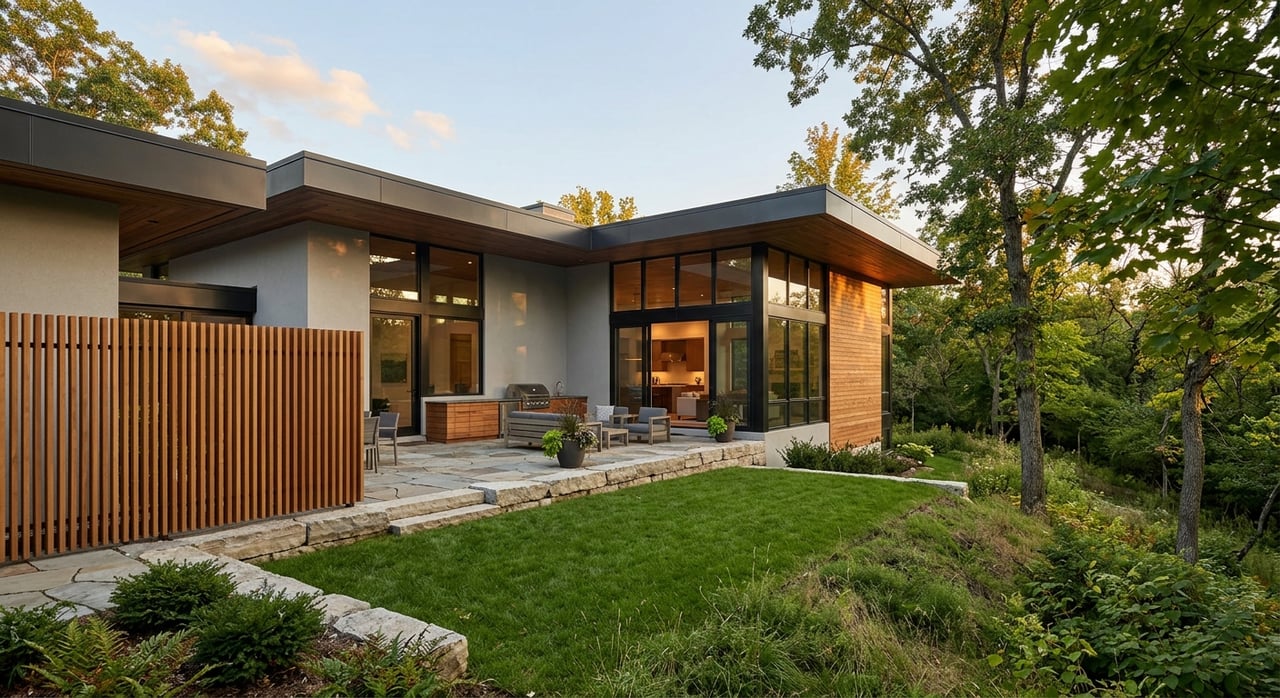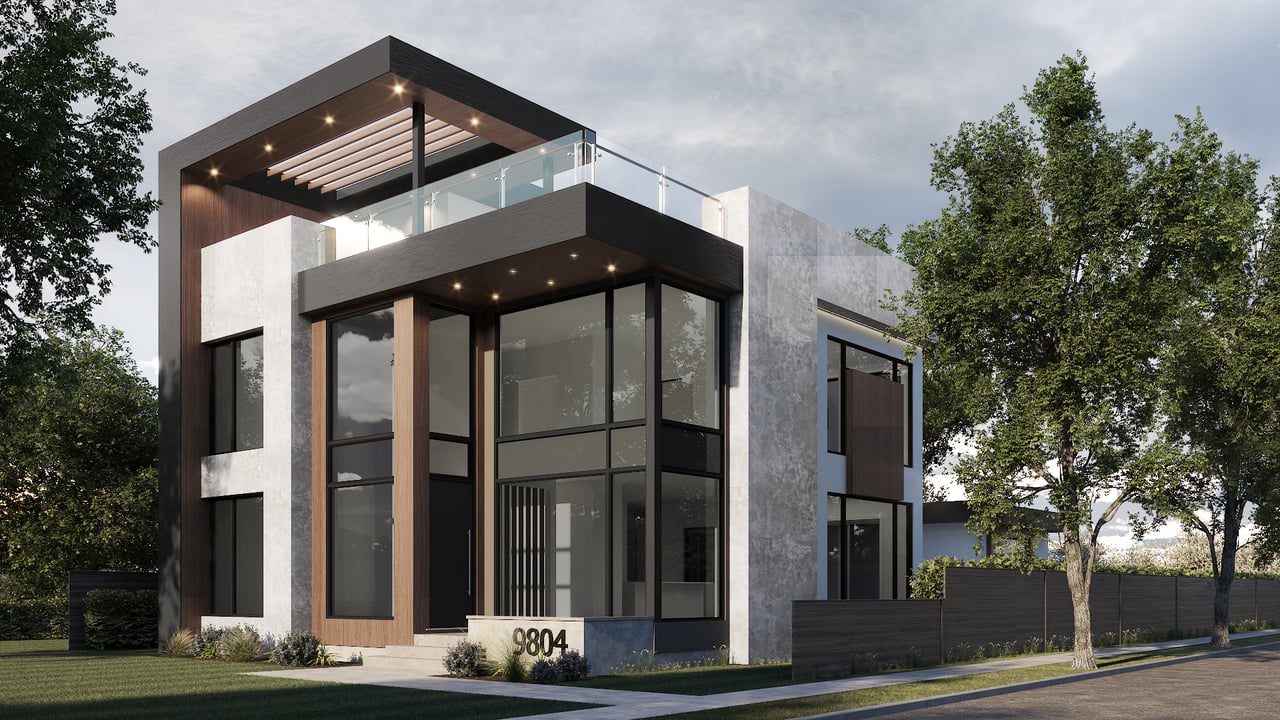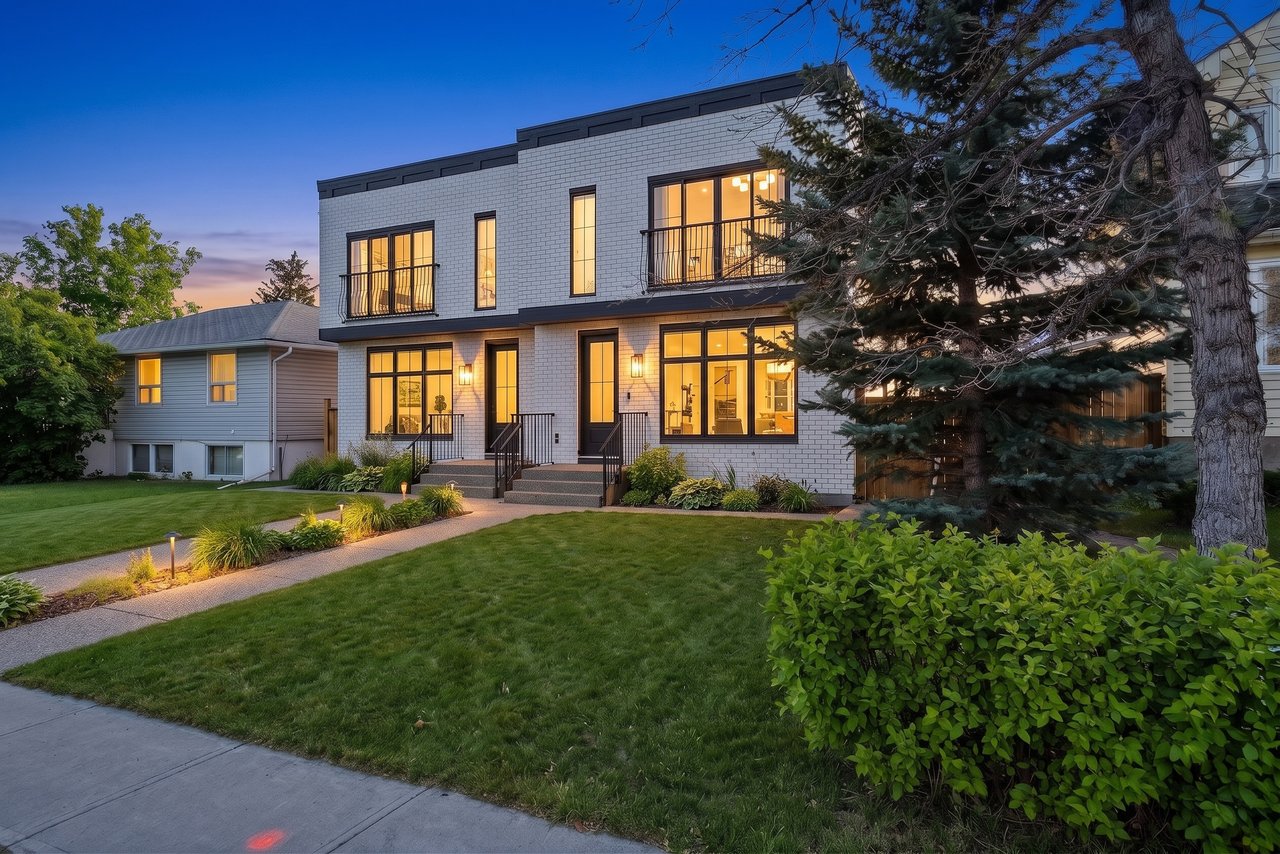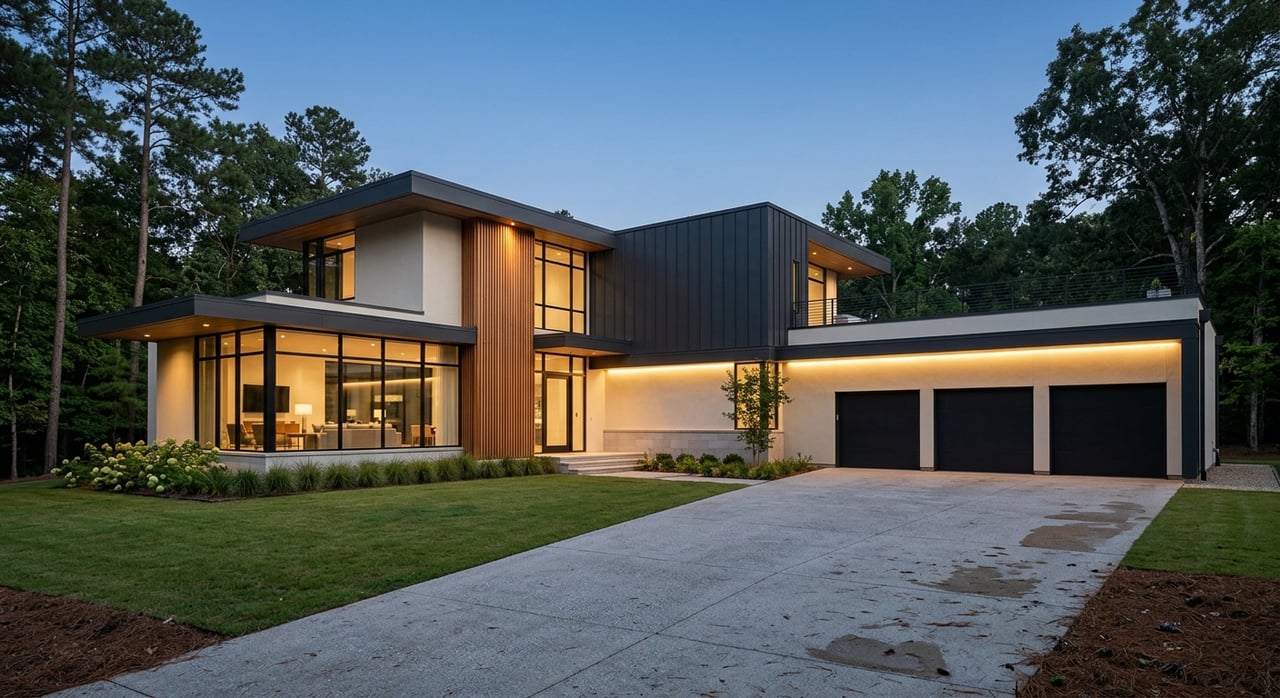
If you want room to breathe without feeling disconnected from Edmonton, estate living in Sturgeon County often comes up for good reason. You may be looking for more privacy, a larger home footprint, or space for a garage, shop, or long-term custom build, but you also want clarity on what daily life really looks like. This guide will walk you through where estate living is concentrated, what the zoning and lot sizes actually allow, and what to think about before you buy or build. Let’s dive in.
Where estate living is centered
In Sturgeon County, estate-style living is most closely tied to Sturgeon Valley. According to the county, this area was established in the 1960s and now has nearly 4,000 residents, with most future growth expected there because of its proximity to major regional centres, transportation access, servicing potential, and natural setting. You can review the county’s overview of Sturgeon Valley growth and planning for the broader picture.
That matters if you are comparing acreage-style options near Edmonton. Rather than seeing estate development spread evenly across the county, you are more likely to find a concentration of country residential and estate-oriented opportunities in this specific area.
Why space feels different here
One of the biggest draws of estate living is the sense of separation from a typical suburban pattern. In the Sturgeon Valley Core, most existing neighbourhoods are low density, at roughly 2 to 10 units per net residential hectare, and are made up primarily of large single-detached homes. The county also states that these existing neighbourhoods should expect no change under current land-use plans, which can help support a more stable feel over time.
For you as a buyer, that often translates into a different day-to-day experience. You may notice larger home sites, more space between properties, and a quieter rhythm than in conventional urban subdivisions, even while remaining close to St. Albert and Edmonton.
Estate lots are not unlimited
A common assumption is that more estate parcels will always keep coming to market. In Sturgeon County, the policy picture is more constrained than many buyers expect. The county says that expansion of Country Residential Estate zoning is not contemplated by current policy, which means the supply of classic estate-style parcels is not open-ended.
That does not mean there is no growth. It does mean that if you are specifically looking for a traditional estate-lot setting, scarcity can become part of the conversation. The county’s Sturgeon Valley FAQ provides useful detail on how existing neighbourhoods, future growth, and estate zoning fit together.
What lot size can mean
Estate living can mean different things to different buyers, so it helps to look at the actual zoning standards instead of relying on broad labels. Under the county’s land use framework, every property is assigned a district, such as Agriculture or Country Residential, and those districts shape what can be developed or subdivided. You can explore the county’s Land Use Bylaw resources to understand how those rules work.
For estate-style parcels, the R2 County Estate Residential District has a minimum parcel area of 0.2 hectares, or 0.5 acres, and a minimum width of 25 metres, or 82 feet. That means some estate lots will feel generous by suburban standards, but they are not necessarily multi-acre properties. If your vision involves a very large site, it is important to confirm the district and parcel dimensions early.
What you may be able to add
For many buyers, the appeal of estate living is not just the house itself. It is also the flexibility to create a fuller property experience over time. Sturgeon County allows accessory buildings such as garages, shops, sheds, and greenhouses, subject to district rules and permit requirements. The county’s accessory building guidelines are a good starting point when you want to confirm what may be possible on a specific parcel.
Accessory dwelling units can also be allowed in certain districts. In R1 and AG districts, the county notes that accessory dwelling units can be up to 115 square metres. If you are planning for multigenerational living, guest space, or long-term flexibility, those details are worth reviewing before you buy.
This is where a guided approach can make a difference. If you are weighing lot acquisition, design possibilities, and future resale together, having one team think through the full picture can help you avoid costly assumptions.
Hobby animals are not a given
Some buyers picture estate living as a place where animals naturally come with the property. In practice, parcel size and zoning matter a great deal. Sturgeon County’s rules state that parcels under 1.0 hectare and R2 estate parcels are not permitted to keep livestock, poultry, or fowl, except urban hens.
That distinction is important because it separates true agricultural or larger rural use from many estate-style residential properties. If hobby animals are part of your plan, confirm the bylaw details before moving ahead. The county’s Animal Control Bylaw outlines these regulations.
Growth is happening, but not everywhere the same way
Sturgeon Valley is not a one-size-fits-all growth story. In the Core, future development can range from 2 to 20 units per net residential hectare, but it must complement surrounding homes and use transitional densities. In other words, growth is expected to respond to existing context rather than ignore it.
Sturgeon Valley South is a different story. The approved framework there is significantly denser, with an average of 35 dwelling units per net residential hectare and up to 45 units near Edmonton and Anthony Henday Drive. The housing mix is broader too, including single-detached homes, townhouses, duplexes, and multi-unit apartments, as outlined in the county’s Sturgeon Valley South planning information.
For you, that means location within Sturgeon Valley matters. If your priority is a classic estate feel, one area may align much better than another.
What daily life looks like
Estate living offers freedom, but it also asks more of you in practical ways. Rural ownership in Sturgeon County can involve more self-management than living in a typical city subdivision. Knowing that up front helps you choose with confidence.
Waste and disposal
Sturgeon County does not provide waste collection, so residents arrange their own pickup or disposal. The county states that household dwellings can dispose of up to 8,000 kilograms per year at Roseridge Landfill or the Redwater Transfer Station with a permit, as noted in the new resident guide.
Water and wastewater
Service levels can vary by address. Some properties rely on truck fills for potable water if direct water service is not available, and low-pressure sewer systems are common in rural and acreage communities. If a property uses a well, the county notes that well drilling in Alberta must be done by a licensed water well contractor.
Roads and winter routines
Road maintenance is part of the ownership experience. The county handles many local roads, Alberta manages snow and ice removal on numbered highways, and dust suppression is offered on gravel roads. Residents are also responsible for clearing the driveway windrows left behind by snowplows.
Internet and emergency access
Connectivity can vary, so it is smart to verify provider options before you commit. The county lists both wireless and fibre providers, with fibre available to some properties west of Highway 2 and south of Highway 642. The same resident guide also notes that Emergency Services provides 24/7 fire and rescue coverage, and some properties may qualify for reduced fire insurance if they are within 8 km of an accredited fire hall and 5 km of a recognized water supply.
Why planning matters before you buy
Sturgeon Valley development is highly structured. Private landowners and developers move through outline plans or NASPs, rezoning, public engagement, hearings, subdivision, and permits. The county also notes that off-site levies are paid by developers, not taxpayers, under its growth-pays-for-growth approach.
That level of process is important if you are buying with a long view. Whether you plan to purchase a completed estate home, secure a lot for a custom build, or evaluate future resale potential, it helps to understand not just the property itself but also the planning framework around it.
How to evaluate estate living in Sturgeon County
If you are seriously considering this market, focus on a few key questions:
- What kind of privacy do you want? Low-density existing neighbourhoods in the Core may offer a different experience than areas planned for broader growth.
- How much land do you actually need? An estate lot can be spacious without being multi-acre.
- What do you want to build or add? Shops, garages, greenhouses, and accessory dwelling options all depend on district rules.
- How comfortable are you with rural upkeep? Waste, water, road conditions, and winter maintenance are all part of the ownership equation.
- What is your long-term plan? If you are building, resale thinking should start at the lot stage, not after construction is complete.
For buyers who want a refined home with more room, privacy, and flexibility near Edmonton, Sturgeon County can be a compelling fit. The key is understanding where true estate-style living exists, what the rules allow, and how the ownership experience differs from a standard suburban move.
If you are exploring Sturgeon County with custom design, lot strategy, or resale value in mind, Rimrock Real Estate & Rimrock Elevations can help you think through the full picture, from acquisition to design to build planning.
FAQs
What area in Sturgeon County is most associated with estate living?
- Estate-style and country residential living in Sturgeon County is most closely concentrated in Sturgeon Valley, which the county identifies as its main country residential and estate-style area.
What does estate lot size look like in Sturgeon County?
- In the R2 County Estate Residential District, the minimum parcel area is 0.2 hectares or 0.5 acres, with a minimum parcel width of 25 metres or 82 feet.
Can you build a shop or detached garage on an estate property in Sturgeon County?
- Accessory buildings such as garages, shops, sheds, and greenhouses are allowed subject to district rules and permit requirements.
Can you keep hobby animals on an estate lot in Sturgeon County?
- Not always. The county states that parcels under 1.0 hectare and R2 estate parcels cannot keep livestock, poultry, or fowl, except urban hens.
Is Sturgeon Valley still growing?
- Yes, but growth is structured and varies by area. The Core is planned to complement existing neighbourhoods, while Sturgeon Valley South has a denser framework and a broader housing mix.
What services should you verify before buying an estate property in Sturgeon County?
- You should confirm waste arrangements, water and wastewater servicing, road conditions, internet options, and emergency service access for the specific address you are considering.